Comprehending the Foreign Earned Revenue Exclusion and Its Effect On Your Common Deduction
The Foreign Earned Earnings Exemption (FEIE) provides substantial advantages for migrants, allowing them to omit a section of their foreign-earned income from united state taxation. Asserting the FEIE can complicate one's tax obligation scenario, specifically concerning the conventional reduction. Understanding this interaction is necessary for people living abroad. As expatriates navigate these complexities, they need to take into consideration just how their choices impact their overall tax obligation. What approaches can they employ to optimize their financial outcomes?
What Is the Foreign Earned Revenue Exemption (FEIE)?
The Foreign Earned Revenue Exclusion (FEIE) acts as an important tax obligation benefit for united state citizens and resident aliens working abroad. This arrangement permits qualified people to omit a substantial section of their foreign-earned earnings from U.S. taxation, effectively decreasing their total tax obligation worry. The FEIE intends to relieve the economic pressure on expatriates and urges Americans to seek job opportunity in foreign markets. The exemption puts on earnings, salaries, and specialist charges earned while residing in an international country. The maximum exemption quantity is adjusted each year for rising cost of living, making sure that it stays relevant to existing economic problems. By utilizing the FEIE, expatriates can preserve even more of their income, cultivating monetary stability while living overseas. Overall, the FEIE plays an important duty in shaping the financial landscape for Americans abroad, promoting a smoother change to worldwide workplace and promoting financial engagement on an international range.
Qualification Demands for the FEIE
Qualification for the Foreign Earned Earnings Exemption (FEIE) is contingent upon conference particular criteria set by the Internal Revenue Solution (INTERNAL REVENUE SERVICE) Mainly, people should be united state citizens or resident aliens who gain income while living in an international country. To qualify, they have to satisfy either primary tests: the Physical Visibility Test or the Authentic House Test.
The Physical Existence copyrightination requires individuals to be literally existing in an international country for at the very least 330 complete days within a 12-month duration - FEIE Standard Deduction. Conversely, the Bona Fide House copyrightination necessitates that individuals develop residency in a foreign country for a nonstop period that includes an entire tax year
Furthermore, the earnings must be originated from personal services executed in the international country. Meeting these requirements enables taxpayers to omit a substantial portion of their foreign-earned earnings from united state tax, thus lowering their general tax responsibility.
How to Claim the FEIE
To start the procedure, people must collect records that validate their international earnings, such as pay stubs, income tax return from foreign countries, and any relevant employment agreement. It is essential to guarantee all income claimed under the FEIE is earned from foreign resources and fulfills the called for limits.
Additionally, taxpayers must take into consideration submitting target dates and any type of possible extensions. Asserting the FEIE appropriately not just assists in lessening tax liability but additionally ensures conformity with IRS policies. Appropriate paperwork and adherence to standards are crucial for an effective case of the Foreign Earned Income Exclusion.
The Communication Between FEIE and Typical Reduction
The interaction in between the Foreign Earned Earnings Exemption (FEIE) and the typical deduction is a vital element of tax preparation for expatriates. Recognizing the standard principles of FEIE, in addition to the constraints of the conventional reduction, can substantially affect tax declaring techniques. This section will certainly explore these elements and their effects for taxpayers living abroad.
FEIE Basics Described
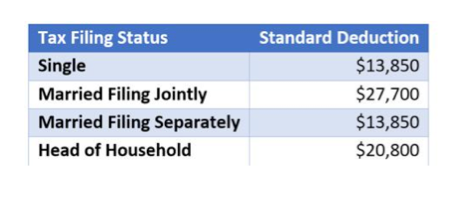
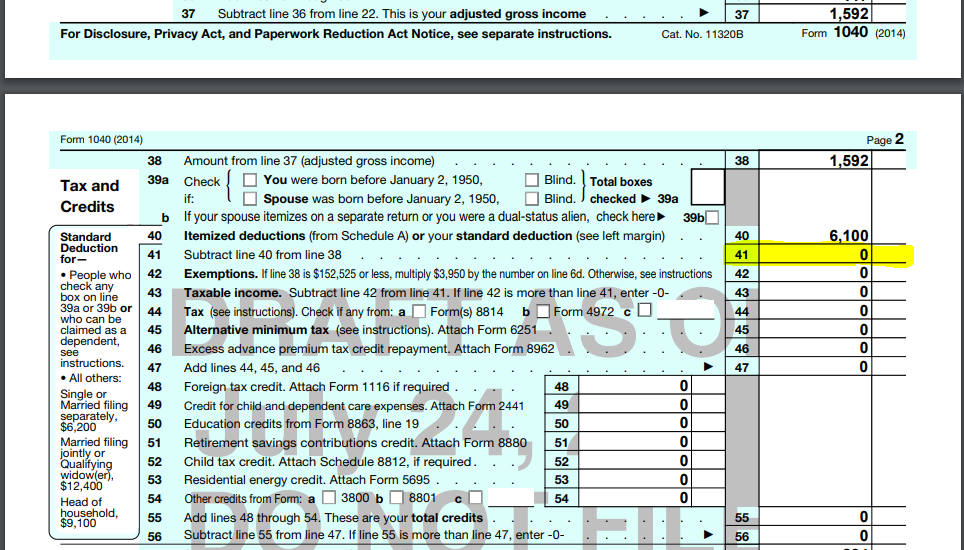
While many expatriates look for to decrease their tax obligation burden, recognizing the interaction between the Foreign Earned Revenue Exemption (FEIE) and the typical deduction is crucial. The FEIE enables united state people and resident aliens living abroad to exclude a specific quantity of international earned earnings from united state taxes. This exclusion can considerably reduce taxed revenue, potentially impacting qualification for various other reductions, such as the standard deduction. Incredibly, individuals that declare the FEIE can not additionally take the standard deduction against the omitted earnings. Consequently, expatriates have to thoroughly review their total earnings and deductions to enhance their tax obligation scenario. Awareness of these interactions can result in more educated economic decisions and much better tax approaches for migrants steering through their unique scenarios.
Criterion Reduction Limitations
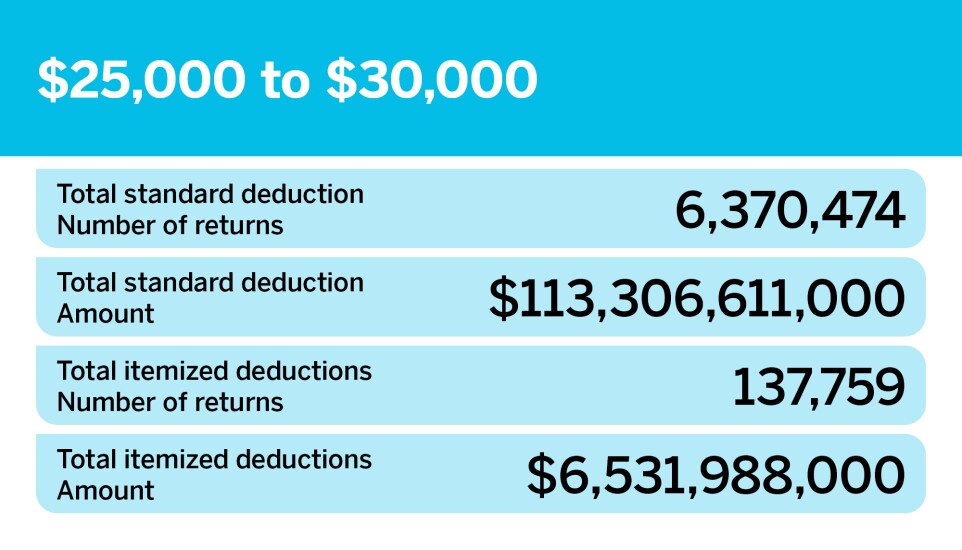
Comprehending the restrictions of the common reduction in regard to the Foreign Earned Earnings Exclusion (FEIE) is essential for migrants steering their tax duties. While the FEIE enables qualifying individuals to leave out a specific amount of foreign-earned income from united state taxes, it can affect the conventional deduction they are eligible to case. Especially, taxpayers who declare the FEIE can not also claim the basic deduction on that particular left out earnings. In addition, if a migrant's total revenue falls listed below the common deduction threshold, they might not gain from it in all. This interaction necessitates mindful planning to maximize tax advantages, as underutilizing the conventional reduction can cause check here higher taxable revenue and boosted tax obligation. Understanding these restrictions is crucial for reliable tax method.
Tax Obligation Declaring Implications
Steering the tax filing ramifications of the Foreign Earned Income Exclusion (FEIE) needs mindful consideration of exactly how it communicates with the typical deduction. Taxpayers using the FEIE can leave out a significant part of their foreign-earned revenue, yet this exclusion affects their eligibility for the typical deduction. Specifically, if a private insurance claims the FEIE, they can not additionally claim the conventional reduction for that revenue. This can result in a reduced total tax obligation yet may complicate the declaring process. Additionally, taxpayers must ensure compliance More about the author with IRS needs when submitting Type 2555 for the FEIE. Understanding these interactions is crucial for enhancing tax obligation advantages while preventing prospective risks in the declaring process. Cautious planning can make best use of benefits and lessen responsibilities.
Prospective Tax Ramifications of Utilizing the FEIE
The Foreign Earned Revenue Exemption (FEIE) uses significant tax obligation benefits for U.S. people working abroad, yet it likewise comes with possible effects that call for careful factor to consider. One significant consequence is the influence on eligibility for certain tax obligation credit histories and deductions. By electing to make use of the FEIE, taxpayers may accidentally minimize their adjusted gross revenue, which can limit accessibility to credit scores like the Earned Revenue Tax obligation Credit rating or lower the amount of common deduction offered.
In addition, individuals who make use of the FEIE might face issues when going back to the U.S. tax obligation system, specifically concerning the taxation of future earnings. The exemption applies only to gained earnings, implying various other income kinds, such as dividends or rate of interest, continue to be taxable. This difference necessitates thorough record-keeping to ensure conformity. The FEIE may impact state tax obligation responsibilities, as some states do not identify the exclusion and may exhaust all revenue earned by their citizens, regardless of where it is made.
Tips for Maximizing Your Tax Benefits While Abroad
While functioning abroad can be improving, it additionally offers unique opportunities to maximize tax obligation advantages. To take full advantage of these advantages, individuals need to initially identify their qualification for the Foreign Earned Revenue Exemption (FEIE) and think about the physical existence copyrightination or the authentic home copyrightination. Maintaining detailed documents of all revenue gained and expenses incurred while overseas is vital. This paperwork supports insurance claims for credit histories and reductions.
Additionally, understanding the tax treaties between the USA and the host nation can help prevent dual tax. Individuals must also explore payments to tax-advantaged accounts, such as Individual retirement accounts, which might provide more deductions.

Last but not least, consulting a tax specialist focusing on expatriate tax obligation law can supply tailored approaches and assurance compliance with both united state and international tax commitments. By taking these actions, migrants can successfully enhance their economic circumstance while living abroad.
Regularly Asked Inquiries
Can I Make Use Of FEIE if I Function for a Foreign Government?
Yes, an individual can make use of the Foreign Earned Earnings Exemption (FEIE) while helping an international government, given they fulfill the requisite conditions laid out by the internal revenue service, including the physical existence or bona fide home copyrightinations.
Does FEIE Put On Self-Employment Revenue?
The Foreign Earned Income Exclusion (FEIE) does put on self-employment earnings, gave the private meets the needed requirements. Eligible self-employed people can omit certifying earnings made while living in a foreign country from taxes.
What if My International Income Surpasses the FEIE Restriction?
The excess amount may be subject to United state taxation if foreign revenue goes beyond the FEIE limit. Taxpayers have to report and pay taxes on the earnings over the exemption threshold while still taking advantage of the exemption.
Can I Assert the FEIE and Make A List Of Deductions?
Yes, individuals can declare the Foreign Earned Earnings Exclusion (FEIE) while additionally itemizing deductions. They must be aware that asserting the FEIE might influence the schedule of particular itemized reductions on their tax obligation return.
Exactly How Does FEIE Influence My State Tax Obligations?
The Foreign Earned Revenue Exemption can decrease state tax obligation obligations, as numerous states comply with government standards. However, individual state regulations differ, so it's necessary to get in touch with state tax obligation policies for details implications on tax important link obligation responsibilities.
The Foreign Earned Earnings Exemption (FEIE) supplies significant benefits for expatriates, allowing them to exclude a part of their foreign-earned earnings from United state taxes. While several expatriates look for to decrease their tax obligation concern, recognizing the communication in between the Foreign Earned Earnings Exclusion (FEIE) and the common reduction is essential. Comprehending the constraints of the standard reduction in relationship to the Foreign Earned Income Exclusion (FEIE) is vital for expatriates steering their tax duties. The exclusion applies just to earned income, implying various other income kinds, such as rewards or interest, remain taxed. The Foreign Earned Income Exemption (FEIE) does use to self-employment earnings, provided the individual satisfies the essential needs.